Tell us a little bit about yourself and where you grew up?
I grew up in Hialeah and Pembroke Pines, Florida. I eventually moved back to Miami because I prefer to be surrounded by as much diversity as possible. This gives my day today life more opportunity to be a bit more interesting.
When did you realize photography was something you wanted to pursue seriously?
There wasn’t a particular moment I decided, I just continued to take/make photographs. I was dedicated to the curiosity of how things looked when cropping the world, sometimes the stillness of a person in front of me. Documenting life different from mine, or something seemingly banal all intrigued me
What inspired you to become a photographer?
Looking back, probably my preoccupation with how quickly time slips by. As photographers we know that every photograph we take is the death of a moment, a moment preserved. It’s important for me to have something to recall a period of time, to have something physical to look at later on. You know something fascinating happens when you look at a photograph from a decade ago and wonder where has the time gone? It serves as a trigger to recall a time we may no longer think about and then we inevitably contrast it with what we know now followed by a bitter sweet feeling in your gut.
How has being a first-generation American influenced your perspective or artistic work?
In order for me to work on my South From Here series, I went down to a small town in Cuba to see where my father grew up. That experience informed me further on what life may have been for him. Fortunately, or unfortunately I still have a large number of family members that live there. I was able to witness the strength, perseverance and endurance they need to take on in order to be able to survive on the daily. You can really feel the value of friendships and family in such difficult and straining conditions. This was also the first time I was able to feel pride regarding my heritage.
In what ways, if any, has being part of the LGBTQ community shaped your creative voice?
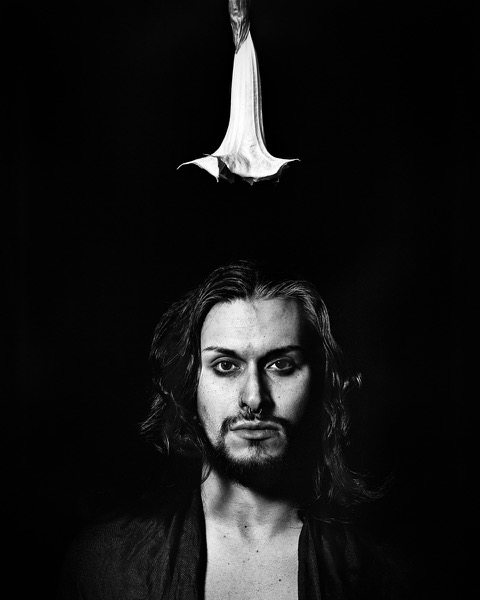
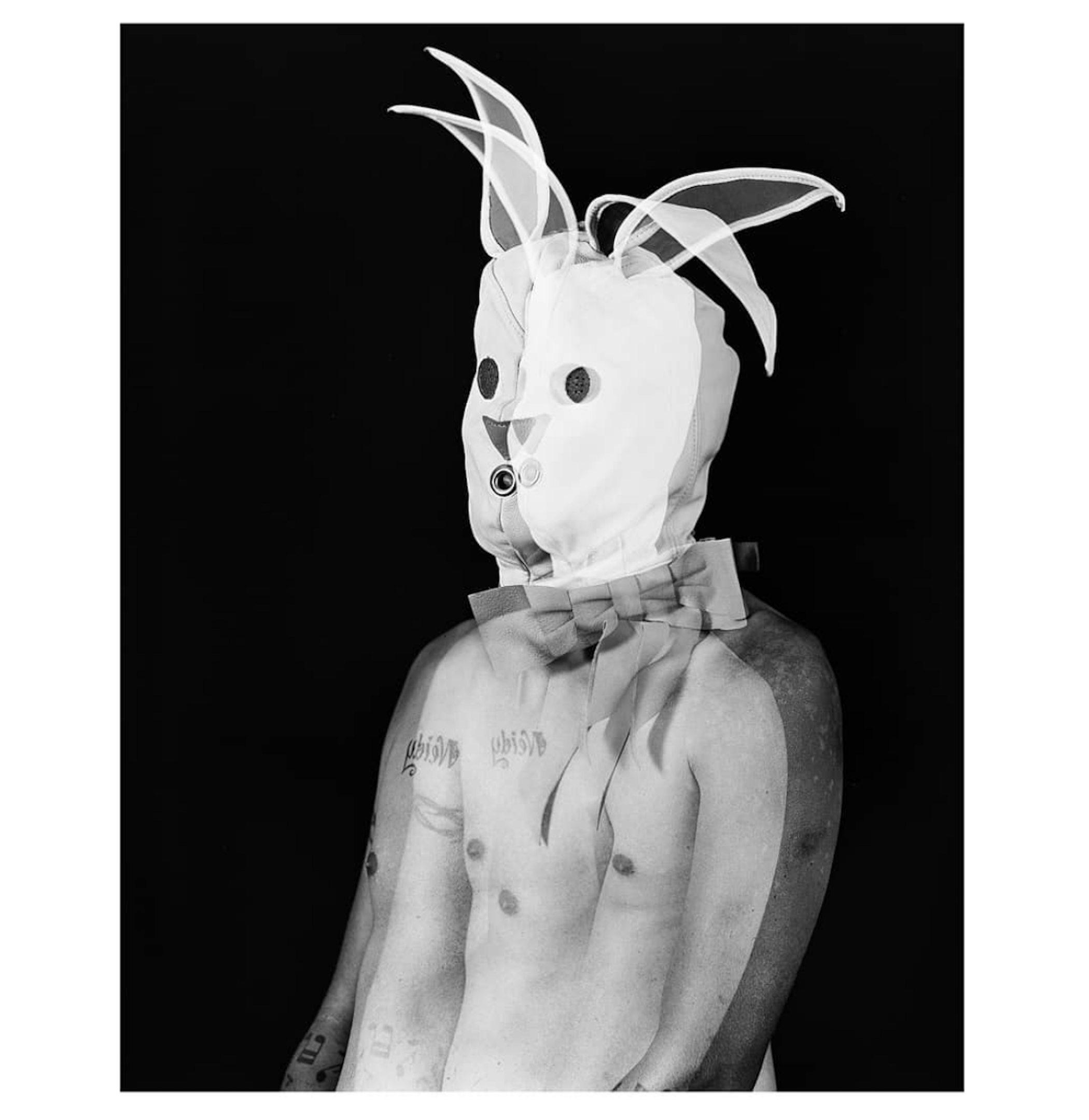
Photography teachers often encourage students to photograph what they know. Much of my early work consisted of self-portraiture, street photography, and documentary projects because they reflected my own experiences or interactions. I realized there was another aspect of my life that I had not photographed, the kink and fetish communities I am a part of. Rather than separating my identity from my work, I allowed my interest in this to become a subject and began to document this section of my life. Mostly by photographing others who felt comfortable and at ease with me. Similarly to any Kink/Fetish scene a clear conversation of boundaries and limitations are discussed beforehand in order to step into the head space later shared with us.
Can you describe a photograph or project that is especially meaningful to you, and what is the story behind it?
One of the most meaningful projects is South From Here, a body of work created during my visit to Cuba. In particular because my relationship with my father was short lived as he transitioned or passed away when I was in fifth grade. This would later leave many questions about his childhood, adolescence and young adult life unanswered. Traveling to Cuba was an attempt to understand the place that shaped him. Not knowing if this would be fruitful or not in that regard, I flew down in 2010. As I photographed the people and landscape, I was struck by the resilience in them despite the difficult political and economic conditions. The project reflects both the search for my father’s history and to bear witness of the strength needed to carry on.
What have been some of the biggest challenges you have faced in your artistic career?
The work that dives into Kinks or Fetishes as sexuality in many societies tends to be a controversial topic when it’s anything other than heterosexual and or cis gendered. Unfortunately, we are still living in a time where people are too concern with what others do. Regardless of how people reach their conclusions. Coming across people who are not only proud of who they are but also comfortable and free enough to allow themselves to be photographed has been a particular challenge. If only humans could be more accepting of our differences. When this happens, I suspect society over all will be better off.
Have there been moments when you questioned your career path? What helped you continue?
There was a period when I seriously considered giving up photography. I found myself asking whether I was truly living my own life or simply documenting everyone else’s. Whenever I attended events, I was constantly thinking about composition, timing, and lighting instead of fully experiencing the moment. I eventually stopped photographing for a while so I could reflect on that question. Over time, I realized photography remained an essential part of who I am. What changed was my understanding that I needed to find a healthier balance between documenting life and participating in it. That realization renewed my commitment to photography.
How do you hope people feel when they experience your photographs?
One of the most meaningful comments I have received came from someone who said my photographs made them feel as though they were witnessing something deeply private. I appreciated that response because intimacy is something I hope viewer’s experience. My goal is to create or take images that encourage empathy rather than judgment. I want people to connect with the individuals in the photographs and recognize shared human experiences despite differences in background or circumstance. If viewers leave with a greater understanding of another’s life by noticing similarities to their own, then I feel the work has done something of value even if it’s just for a moment.
Find more of my work at https://www.jmvaldivia.com